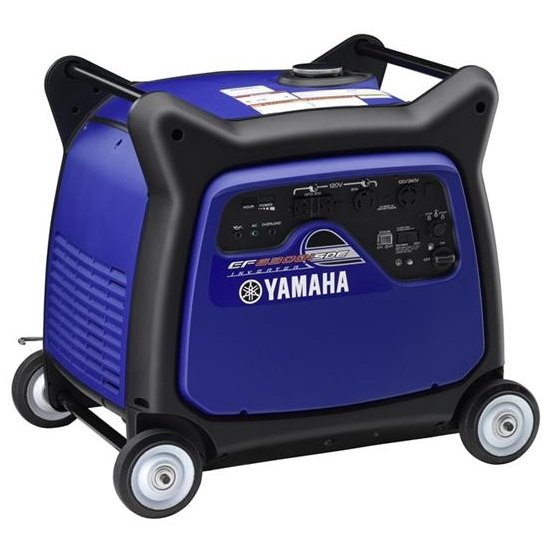
Choosing The Best 5500 Watt Generator Buyers Guide
The lights flicker, the fridge hums anxiously, or your power tools lie dormant on a remote job site. If you've ever faced these scenarios, you know the value of reliable backup power. Navigating the world of portable generators, especially when you need a robust mid-range option, can feel like a maze. That's why we’ve put together this comprehensive 5500 watt generator guide, a Buyer's Guide: How to Choose the Best 5500 Watt Generator, designed to cut through the jargon and empower your decision.
A 5500-watt generator hits a sweet spot, offering enough juice to keep critical appliances running during an outage, power a substantial RV setup, or handle most tools at a construction site without being overly bulky or fuel-hungry. But not all 5500-watt models are created equal. Let's explore what truly matters.
At a Glance: Your 5500-Watt Generator Checklist
- Power Needs: Calculate your essential appliances' running and starting watts.
- Fuel Flexibility: Consider dual-fuel for versatility and storage benefits.
- Starting Ease: Prioritize electric start, but value a reliable recoil backup.
- Noise Factor: Inverter models offer quieter operation, crucial for camping or neighborhoods.
- Portability: Look for wheel kits and ergonomic handles.
- Safety First: Ensure CO monitoring and low oil shutoff are standard.
- Durability: Check for robust construction, like all-copper windings.
- Compliance: Verify EPA/CARB compliance if operating in specific regions.
Why 5500 Watts is Your Power Sweet Spot
Think of 5500 watts as the versatile middle child of the generator family. It’s significantly more powerful than smaller, lighter camping units, meaning it can handle more than just a few lights and a phone charger. At the same time, it’s often more portable and fuel-efficient than the massive whole-home standby generators, making it ideal for a wider range of applications.
This power level is perfect for running a furnace, refrigerator, some lights, and a few small electronics during a power outage. For RV enthusiasts, it can power air conditioners, microwaves, and entertainment systems. On a job site, it easily handles circular saws, air compressors, and grinders. It's a true workhorse, offering a balance of muscle and maneuverability.
Decoding Generator Specs: Peak vs. Running Watts
When you see "5500 watts," that typically refers to the peak (or starting) watts. This is the temporary surge of power a generator can provide for a few seconds to kickstart motor-driven appliances like refrigerators, air conditioners, or power tools. These items require a brief burst of extra power to get going before settling into their continuous operation.
Running watts, on the other hand, is the continuous power a generator can comfortably sustain. A 5500-watt generator might have, for example, 4500 or 5000 running watts. This distinction is critical. Always calculate the running watts of all the appliances you plan to operate simultaneously, then add the starting watts of the single largest motor-driven item you'll use. Your generator's running watts should meet your total continuous load, and its peak watts must cover that biggest startup surge. Don't underestimate this calculation; it's the foundation of choosing the right generator.
Fueling Your Flexibility: Gasoline, Propane, or Both?
The type of fuel your generator uses directly impacts its versatility, runtime, and maintenance.
- Gasoline: Widely available and generally offers a good power-to-weight ratio. However, gasoline has a shorter shelf life (especially ethanol-blended varieties) and can be less efficient than propane. Models like the Generac GP5500E run on gasoline, offering robust performance for extended periods.
- Propane (LPG): Burns cleaner, producing fewer emissions and less engine wear, which can extend the generator's lifespan. Propane also stores almost indefinitely without degradation, unlike gasoline. It might be slightly less fuel-efficient per gallon than gasoline, but its clean burn and storage benefits are significant.
- Dual-Fuel Generators: These offer the best of both worlds, allowing you to switch between gasoline and propane. This versatility is a huge advantage. If gasoline is scarce, you can use readily available propane tanks. Propane is often preferred for longer-term storage scenarios. The DuroMax XP5500EH and XP5500HX are excellent examples, providing flexibility whether you're at home or on an RV trip. The KS 6000iEHS CO inverter model also provides dual-fuel capability for sensitive electronics.
When evaluating fuel efficiency, look at estimated runtimes at 50% load. For instance, the DuroMax XP5500EH boasts around 9 hours on gasoline and 8 hours on propane at 50% load, giving you a good benchmark for comparison.
Easy Starts, Every Time: Electric vs. Recoil
Starting your generator shouldn't be a struggle. Most modern 5500-watt generators offer one or both of these starting methods:
- Electric Start: This is the ultimate convenience. With the push of a button or the turn of a key, the generator comes to life. It requires a battery, which needs occasional maintenance and can drain over time. The DuroMax XP5500EH, XP5500HX, and Generac GP5500E all feature electric start, making them user-friendly even in stressful situations.
- Recoil Start (Pull Start): This is the traditional method, requiring you to pull a cord to manually crank the engine. It's a reliable backup in case the electric start battery is dead or malfunctions. Many generators, including those with electric start, include a recoil starter for this very reason. It's a simple, reliable mechanical system that ensures you're never left without power.
The Sound & The Fury (or Lack Thereof): Noise Levels and Inverter Tech
Generator noise can be a major factor, especially if you're using it in residential areas, campgrounds, or for extended periods. Generators typically measure noise in decibels (dB), often at 23 feet.
- Conventional Generators: These run at a constant engine speed (usually 3600 RPM) to produce a consistent 60Hz frequency. They tend to be louder, often in the 70-80 dB range, which is comparable to a vacuum cleaner or a busy street.
- Inverter Generators: These are a game-changer for noise. They use advanced electronics to produce clean, stable power (pure sine wave), which is safe for sensitive electronics like laptops and smartphones. Crucially, their engines can throttle up or down based on the power demand, meaning they run much quieter at lower loads. This often puts them in the 50-60 dB range, akin to a normal conversation. The MaXpeedingrods 5500W inverter generator and the KS 6000iEHS CO inverter model are excellent choices if quiet operation is a priority.
Beyond noise, inverter generators also tend to be more fuel-efficient at partial loads because their engines aren't constantly running at full speed.
Mobility Matters: Hauling Your Power Source
A 5500-watt generator isn't a featherweight, often weighing 80-200 pounds. Portability features are therefore essential:
- Integrated Wheel and Handle Kits: These make a world of difference. Large, sturdy wheels (sometimes flat-free) and ergonomic, foldable handles allow one person to maneuver the generator across uneven terrain or into position. The MaXpeedingrods 5500W inverter generator, at 86 pounds, includes a wheel and handle kit for easy transport.
- Weight Distribution: Pay attention to how the weight feels when you lift and move it, even with wheels. A well-balanced design prevents tipping and reduces strain.
Consider where you'll be using and storing the generator. If it's frequently moved between a garage, a backyard, and a campsite, good portability features are non-negotiable.
Beyond the Basics: Crucial Safety Features
Safety is paramount when operating a generator. Look for these essential features:
- Carbon Monoxide (CO) Monitoring and Shutoff: CO is an odorless, colorless, and deadly gas. Modern generators, such as the DuroMax XP5500HX and the KS 6000iEHS CO inverter model, incorporate CO Alert systems that detect unsafe levels and automatically shut down the engine. This feature is a non-negotiable safeguard, especially if there's any risk of the generator operating in an enclosed or poorly ventilated space (which should always be avoided).
- Low Oil Shutoff: This protects your generator's engine from severe damage. If the oil level drops below a safe threshold, the engine will automatically shut down, preventing potential seizure or costly repairs. All reputable generators, including the DuroMax XP5500EH, include this feature.
- Circuit Breakers: These protect the generator and connected appliances from overload by tripping if too much current is drawn.
- Spark Arrestor: Essential for preventing wildfires, especially if using the generator in forested or brushy areas.
- Robust Chassis and Frame: A sturdy steel frame protects the internal components from impacts and general wear and tear, contributing to safer operation and longevity.
Built to Endure: Durability and Long-Term Care
A generator is an investment, and you want it to last. Key indicators of durability include:
- Engine Quality: Look for reputable engine brands or specifications like OHV (Overhead Valve) engines, which are known for efficiency and longevity.
- All-Copper Windings: This is a hallmark of quality. Copper windings are more durable, efficient, and dissipate heat better than aluminum, leading to a longer lifespan for the alternator. The DuroMax XP5500HX features all-copper windings, signifying a commitment to robust construction.
- Fuel Tank Material: Metal tanks are generally more durable than plastic.
- Generator Covers: Protecting your generator from the elements when not in use is critical for extending its lifespan.
- Champion Power Equipment Storage Cover: Made from tough vinyl, it shields 3,000 to 5,500-watt inverter generators from sun, rain, snow, and dirt. Features like strong elastic bases and zipper access to handles ensure a snug, convenient fit.
- Porch Shield Waterproof Universal Generator Cover: A heavy-duty option for larger generators (5,500 to 15,000 watts), constructed from 600D polyester fabric with a laminated undercoating. Its double-stitched, sealing-taped seams offer maximum water and tear resistance, making it an excellent investment for outdoor storage.
Playing by the Rules: Emissions and Environmental Compliance
Depending on where you live or plan to use your generator, emissions compliance might be a legal requirement.
- EPA Compliant: Generators that meet U.S. Environmental Protection Agency standards for emissions. Most generators sold in the U.S. will be EPA compliant.
- CARB Compliant: This means the generator meets the stricter emissions standards of the California Air Resources Board. If you live in California, or plan to use your generator there, it must be CARB compliant. Even outside of California, CARB-compliant models often offer cleaner operation. The MaXpeedingrods 5500W inverter generator explicitly states it is EPA compliant, a good sign for broad usability. Inverter models generally produce cleaner emissions due to their variable engine speed.
Tailoring Power to Your Needs: Key Features & Applications
Beyond the core specs, specific features can greatly enhance a generator's utility for your intended application:
- Multiple Outlets: Ensure the generator has the right mix of outlets for your needs. This might include 120V household outlets (5-20R), 120V/240V twist-lock outlets (L14-30R for larger loads or transfer switches), and perhaps a 12V DC outlet for charging batteries.
- RV-Ready Plugs: If you're using it for an RV, an RV-ready TT-30R outlet (30-amp, 120V) simplifies connection without adapters.
- Transfer Switch Compatibility: For home backup, the ability to connect to a manual transfer switch (installed by an electrician) is crucial for safely powering specific circuits in your home.
- Digital Displays/Data Centers: These provide real-time monitoring of key metrics like voltage, frequency, hours of operation (for maintenance tracking), and fuel level. The MaXpeedingrods 5500W inverter generator features a digital control display for easy monitoring.
- Eco-Mode: Found on inverter generators, this feature automatically adjusts engine speed to match the load, conserving fuel and reducing noise. The KS 6000iEHS CO inverter model includes an eco-mode.
- Parallel Capability: Some inverter generators can be linked together with a parallel kit to double their wattage output. This offers scalability and redundancy, allowing you to use two smaller, more portable units for a higher total output when needed.
Spotlight on Top 5500-Watt Generators
Let's look at some of the best 5500-watt generators that exemplify these features:
- DuroMax XP5500EH: A robust dual-fuel unit, it delivers 5,500 starting watts and 4,500 running watts from its 224cc OHV engine. Its gasoline and propane runtimes are competitive, and the electric start with recoil backup offers reliability. This model is a go-to for RVs, emergency backup, and heavy-duty outdoor projects, balancing power with convenience.
- MaXpeedingrods 5500W Inverter Generator: If quiet operation and stable power for sensitive electronics are your priorities, this inverter model is a strong contender. With 5,500 peak watts and 5,000 rated watts, its 86-pound weight and included wheel kit make it highly portable. The electric start and digital display add to its user-friendly appeal, perfect for RVs, camping, and home projects where noise is a concern.
- DuroMax XP5500HX: Building on DuroMax's reputation, this dual-fuel generator also provides 5,500 watts of power. Its 210cc OHV-V engine with all-copper windings speaks to its durability. The standout feature is its CO Alert system, offering an essential layer of safety. Efficient, low-maintenance, and electric-start equipped, it's a solid choice for reliable power.
- Generac GP5500E: Known for its PowerRush technology, this gasoline-powered generator offers a surge of starting power. Its durable OHV engine, electric start, and large fuel tank are designed for extended runtimes, making it ideal for prolonged power outages or RV trips where you need consistent power without frequent refueling.
- KS 6000iEHS CO Inverter Model: Another excellent dual-fuel inverter option, this model provides pure sine wave output, making it safe for all your delicate electronics. Its built-in CO sensor enhances safety, and the eco-mode helps conserve fuel. Lightweight and portable, it's perfect for mobile homes, camping, or backup power where fuel efficiency and clean power are paramount.
Making Your Final Decision: A Quick Checklist
Before you commit, run through this final checklist to ensure you're choosing the absolute best 5500-watt generator for your specific needs:
- Re-calculate Your Power Needs: Have you accounted for all desired appliances? Don't forget those startup surges.
- Match Fuel Type to Lifestyle: Does dual-fuel make sense for your storage and availability? Or is one fuel type sufficient?
- Prioritize Starting Convenience: Is an electric start a must-have for ease of use?
- Consider the Decibels: How important is quiet operation for your intended use environment?
- Evaluate Portability: Will you be moving it frequently? Are the wheels and handles up to the task?
- Verify Safety Features: Does it have CO monitoring and low oil shutoff? No compromises here.
- Assess Durability: Is the build quality suitable for your expected usage and environment?
- Don't Forget the Cover: Have you considered a generator cover to protect your investment? The Porch Shield and Champion covers are excellent starting points.
- Check Compliance: Is it EPA and, if necessary, CARB compliant for your location?
- Review Unique Features: Are there any specific outlets, displays, or modes (like eco-mode or parallel capability) that are crucial for your application?
Power Up with Confidence
Choosing the right 5500-watt generator doesn't have to be overwhelming. By understanding your power needs, weighing the pros and cons of different features, and prioritizing safety, you can confidently select a model that will serve you reliably for years to come. Whether it's to keep your home running smoothly during an unexpected outage, power your adventures on the road, or drive your tools at a remote job site, the right 5500-watt generator is a powerful ally. Make your choice wisely, and enjoy the peace of mind that comes with dependable power.