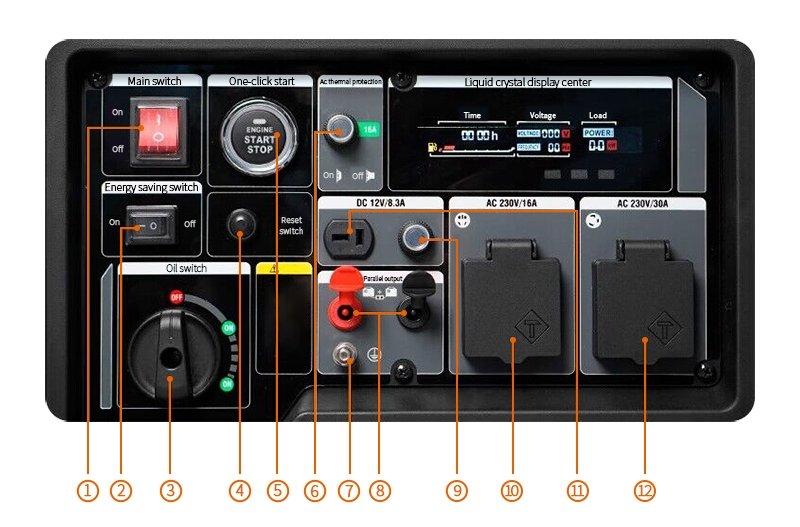
When the grid goes down, your 5500 watt generator isn't just a machine; it's your lifeline, powering essential appliances and maintaining a sense of normalcy. But like any vital piece of equipment, its reliability hinges on one crucial factor: consistent maintenance. Without a diligent Maintenance Checklist for Your 5500 Watt Generator, you're leaving its performance, longevity, and your peace of mind to chance.
Think of it this way: you wouldn’t drive your car for years without an oil change, right? Your generator deserves the same attention, especially when you consider the stakes of a power outage. This comprehensive guide will walk you through everything you need to know to keep your 5500-watt workhorse ready for action, always.
At a Glance: Key Generator Maintenance Takeaways
- Your User Manual is King: Always start here; it has the specific details for your model.
- Frequency Matters: Maintenance isn't a one-and-done; it's a daily, weekly, monthly, and annual commitment.
- Daily Checks are Simple: A quick visual inspection and fluid level check can prevent big problems.
- Monthly Run Test is Crucial: Let your generator run for 10-15 minutes under load to keep components lubricated and functional.
- Don't Skip Annual Professional Service: It's often required for warranty and catches issues DIY can miss.
- Record Everything: Keep a log of all maintenance, parts, and professional services.
- Costs vs. Savings: Proactive maintenance is an investment that saves you from far more expensive emergency repairs.
Why Your 5500 Watt Generator Needs a Consistent Maintenance Routine
A 5500 watt generator is perfectly sized to handle a significant portion of your home's needs during an outage—think refrigerators, freezers, a few lights, and perhaps a window AC unit or furnace fan. Its capability to power essentials means it plays a critical role in your family's safety and comfort. But generators, particularly those that sit idle for long periods, are susceptible to issues if neglected.
Regular maintenance ensures several key benefits:
- Reliability When You Need It Most: The primary goal is ensuring your generator starts and runs flawlessly during an emergency.
- Extended Lifespan: Proper care reduces wear and tear, significantly prolonging your generator's operational life.
- Peak Performance: A well-maintained generator operates more efficiently, consuming less fuel and delivering consistent power.
- Warranty Protection: Many manufacturers void warranties if regular, documented maintenance isn't performed.
- Avoid Costly Repairs: Catching small issues early prevents them from escalating into major, expensive breakdowns.
- Safety: Routine checks identify potential hazards like fuel leaks or faulty wiring before they become dangerous.
While we'll provide a comprehensive schedule, remember that the ultimate authority for your specific model is its user manual. This guide serves as a robust framework, but always defer to your manufacturer’s instructions. For more general insights into choosing and operating these crucial devices, you might want to learn more about 5500 watt generators themselves.
The Generator Maintenance Schedule: A Frequency Breakdown
Generator maintenance isn't a single event but a series of tasks performed at different intervals. Here’s a breakdown, from daily checks to multi-year services.
Daily Checks: Your Quick Glance (5 Minutes)
These are quick, visual checks you should perform if your generator is running, especially during an extended power outage, or just before starting it up.
- Visual Inspection: Walk around the unit. Look for anything out of place: loose wires, debris accumulation, signs of leaks, or unusual wear. Are there any strange smells?
- Fluid Levels (if applicable):
- Coolant (liquid-cooled models): Check the overflow tank level. It should be between the "full" and "low" marks.
- Lubrication Oil: Ensure the oil level is adequate using the dipstick. Top up if necessary.
Weekly / Bi-Weekly Tasks: Staying Ahead (15-20 Minutes)
These tasks are crucial for maintaining readiness and should be performed weekly if the generator is in continuous use, or at least every two weeks if it's on standby.
- Inspect and Care for the Battery: Check terminals for corrosion and ensure connections are tight. A clean, well-connected battery is key to a reliable start.
- Maintain the Fuel System: For propane or diesel, check the fuel tank level. For natural gas, verify the supply valve is fully open.
- Check or Replace the Air Filter: A clogged air filter chokes the engine. Visually inspect it; if it looks dirty or dusty, consider replacing it. A clean filter allows your engine to breathe easily.
- Every 6 Months: In addition to the above, it's a good idea to specifically check battery terminals (and clean if needed), do a more thorough inspection of the air filter, confirm coolant levels, and test the manual transfer switch operation if you have one.
Monthly Tasks: The "Run Test" and Deeper Dive (15-30 Minutes)
This is perhaps the most important routine task for standby generators. It ensures all components remain lubricated, seals don't dry out, and the system is ready to operate under load.
- The Critical Run Test: Let your generator run for 10-15 minutes. Ideally, do this under load. If you have an automatic transfer switch, initiate a manual exercise test. If it's a portable unit, plug in some appliances like a space heater or power tools. This confirms the entire system works and helps prevent "wet stacking" (unburned fuel residue).
- Thorough Visual Inspection: Go beyond the daily check. Look closely for any signs of fluid leaks (oil, coolant, fuel), loose wires or connections, evidence of rodent damage (chewed wires, nests), and any debris around the unit.
- Check Oil Level: After the run test and allowing a few minutes for oil to settle, check the oil level with the dipstick. Ensure it's at the recommended mark.
- Check Coolant (Liquid-cooled models): Re-verify the overflow tank level.
- Check Fuel Level: Confirm adequate fuel supply for propane/diesel units or an open valve for natural gas.
- Clear Debris: Remove any leaves, grass clippings, snow, or other obstructions around the unit. Generators need adequate airflow to cool properly, so maintain at least 3 feet of clearance on all sides.
- Check Battery Connections: Ensure connections are tight, clean, and free of any corrosion.
- Automated Monitoring: Many modern generators come with apps like Generac Mobile Link, Kohler OnCue Plus, Briggs & Stratton InfoHub, and Cummins Connect Cloud. These often provide automated reminders, remote status monitoring, and track run hours, making monthly checks easier to manage.
Annual Professional Service: Non-Negotiable for Reliability
While DIY tasks are essential, an annual professional service is often required to maintain your generator's warranty and ensures a deep dive into its complex systems. This isn't just about changing oil; it's a comprehensive inspection and tune-up.
- Oil & Filter Change: Replace your generator's oil and filter using the manufacturer-recommended grade and type. This is vital for engine health.
- Air Filter Replacement: Even if it looked okay in a monthly check, replace the air filter annually. This is usually a DIY-friendly task but is often included in professional service. Consider getting your air filter replacement done by a certified technician.
- Spark Plug Service (Gas Models): Replace spark plugs to ensure efficient combustion. For diesel models, injectors will be checked.
- Battery Test & Service: Professionals will perform a load test on the battery, clean terminals thoroughly, and check the charging system to ensure it's providing the correct voltage. This is critical for reliable starts, and learning more about caring for your generator battery can save you headaches.
- Fuel System Inspection: A professional will thoroughly check fuel lines, filters, and connections for any leaks, blockages, or signs of wear. This is a complex area where attention to detail on inspecting the fuel system can prevent major issues.
- Cooling System Service (Liquid-cooled models): Inspect the radiator for damage, clean cooling fins, and check the coolant condition and level.
- Valve Adjustment: If necessary, valve clearance will be checked and adjusted. This impacts engine performance and longevity.
- Transfer Switch Test: The professional will verify the operation and connections of your automatic transfer switch, ensuring it seamlessly switches power during an outage. Understanding testing your transfer switch is vital for safety and functionality.
- Control System Check: All safety shutdowns, alerts, and controller functions will be verified to ensure the generator can detect and respond to potential problems.
- Exhaust System Inspection: Checks for leaks, corrosion, and proper attachment to prevent harmful fumes from entering your home.
Multi-Year Maintenance: Long-Term Investments
Some components have longer lifespans but still require periodic replacement.
- Every 2 Years:
- Battery Replacement: Even if your battery seems fine, replacing it every two years is a wise preventative measure to avoid unexpected failure.
- Valve Clearance Check: Re-check and adjust valve clearance.
- Coolant Replacement (Liquid-cooled models): Flush and replace the coolant to maintain optimal engine temperature regulation.
- Fuel System Inspection & Cleaning: A more thorough inspection and cleaning of the fuel system is recommended.
- Every 3-5 Years:
- Fuel Filter Replacement: Replace the main fuel filter.
- Radiator Hoses Replacement (Liquid-cooled models): Hoses can degrade over time; replacing them prevents leaks.
- Comprehensive Fuel System Cleaning: A deeper cleaning to remove any long-term buildup.
- Transfer Switch Major Service: A more in-depth service of the automatic transfer switch, beyond just functional testing.
Manufacturer-Specific Requirements: Know Your Brand
Each generator manufacturer has specific maintenance schedules and requirements, often tied to warranty coverage. Straying from these can void your warranty, leaving you responsible for costly repairs.
- Generac: Typically requires service annually or every 200 hours, whichever comes first. They often specify using Generac oil and filters. They recommend an initial service 6 months after installation to catch any settling issues.
- PowerPact (8-11kW): May require oil changes every 50 hours or annually. Air filters may need more frequent checks. These models often require a manual weekly exercise run. Expect annual service costs around $200-$300.
- Guardian Series (16-22kW): Generally require oil changes every 200 hours or annually. These usually have automatic weekly self-testing and are compatible with Mobile Link for remote monitoring. Annual service costs are typically $300-$400.
- Kohler: Specifies annual service or every 100 hours. They often recommend SN 5W-30 synthetic oil and may require service by a certified technician for warranty.
- Briggs & Stratton: Annual service or every 200 hours. While you can use third-party service, authorized dealers are recommended, and keeping detailed maintenance records is crucial for warranty claims.
- Cummins: Annual service or every 150 hours. Cummins emphasizes meticulous exhaust system inspections. They often require service registration within their system.
Always consult your specific generator's manual for the most accurate and up-to-date information regarding your model.
Seasonal Generator Care: Preparing for Extremes
Your generator's performance can be affected by extreme temperatures. Adapting your maintenance to the seasons ensures it’s ready regardless of the weather.
Winter Preparation: Battling the Cold
Cold weather can be particularly harsh on generators.
- Battery Condition: Extreme cold significantly impacts battery performance. Ensure your battery is fully charged and in good condition. Consider a trickle charger.
- Block Heater (if applicable): If your generator has a block heater, verify it's working correctly. This ensures easier starting in freezing temperatures.
- Winter-Grade Fuel/Additives (Diesel): For diesel generators, use winter-grade fuel or anti-gelling additives to prevent fuel from thickening.
- Clear Snow and Ice: After snowstorms, clear snow away from the generator, maintaining the critical 3-foot clearance for ventilation. Don't let snow accumulate around the exhaust.
- Antifreeze Protection: For liquid-cooled models, verify the antifreeze protection level. It should be rated for at least -20°F.
Summer Preparation: Staying Cool
High temperatures put stress on cooling systems.
- Clean Cooling Fins/Radiator: Thoroughly clean any dust, pollen, or debris from the cooling fins and radiator to ensure maximum airflow and prevent overheating. This is where a proper replacing the air filter helps in keeping internal components free from dust.
- Exhaust Inspection: Check the exhaust system for any signs of nesting animals or insects that could block airflow.
- Air Intake: Verify the air intake is clear of dense vegetation or other obstructions that could restrict airflow.
- Increased Cooling Inspections: In very hot climates, consider more frequent checks of your cooling system.
- Generator Load Capacity: Be mindful of increased demands on your generator during summer, particularly from air conditioning units. Ensure you're not overloading the unit.
Long-Term Storage: When the Generator Sits Idle
If you plan to store your generator for more than a month or two, proper preparation is essential to prevent fuel degradation and other issues.
- Fuel Stabilization: For gasoline generators, add a fuel stabilizer to the tank and run the engine for a few minutes to circulate it. This prevents fuel from breaking down and gumming up the carburetor.
- Drain Fuel: For extended storage (over a year), it's often best to drain all fuel from the tank and carburetor.
- Oil Change: Perform an oil change before storage to remove any contaminants.
- Battery Disconnect: Disconnect the battery terminals to prevent drain.
- Clean & Cover: Clean the generator thoroughly and cover it with a breathable, weather-resistant cover.
When to Call a Professional: Beyond DIY
While you can handle many maintenance tasks yourself, some jobs require specialized tools, knowledge, or are simply too risky for the average homeowner.
- Annual Comprehensive Service: As discussed, this is often a warranty requirement and ensures a thorough check by trained eyes.
- Electrical System Checks: Any work involving the generator’s electrical output, wiring, or connections should be handled by a qualified electrician or generator technician.
- Fuel System Service and Adjustments: Beyond checking levels, issues with carburetors, fuel pumps, injectors, or fuel lines are best left to professionals.
- Transfer Switch Testing & Repair: While you can test basic operation, complex diagnostics or repairs of an automatic transfer switch require expertise.
- Battery Load Testing: Professionals have specific equipment to accurately load test your battery to determine its true health and remaining lifespan.
- Engine Tune-Ups and Valve Adjustments: These are intricate mechanical tasks that, if done incorrectly, can cause significant engine damage.
Warning Signs for Immediate Professional Attention: Don't Wait!
If you notice any of these symptoms, shut down your generator immediately and call for service.
- Unusual Noises: Grinding, knocking, rattling, or any new, loud sounds indicate a serious internal problem.
- Fluid Leaks: Any visible leaks of oil, coolant, or fuel demand immediate attention (call within 24 hours). Fuel leaks are particularly dangerous.
- Frequent Shutdowns: If the generator starts but then repeatedly stops after a brief period, check the error code on the controller screen and call service.
- Visible Smoke:
- Blue Smoke: Often indicates burning oil.
- Black Smoke: Can point to improper fuel combustion or a clogged air filter.
- White Smoke: Could be burning coolant (especially if sweet-smelling).
- Any persistent smoke is a problem.
- Failed Exercise Cycle: If your generator fails its automatic weekly/monthly exercise test, do not ignore it. Check the controller screen for error codes and call service.
- Battery Alerts: A "low battery" or "failure to start" alert means your battery needs attention quickly. Schedule service within 48 hours.
Common Generator Error Codes (and what they might mean):
Always refer to your owner's manual or the manufacturer's app for precise error code definitions.
- Generac:
1500: Low Oil Pressure. (Critical! Shut down immediately.)2800: Low Battery. (Indicates battery needs charging or replacement.)- Kohler:
E-1: Engine Speed Error. (Could be fuel, ignition, or control system.)E-7: Overvoltage. (Potential issue with generator head or voltage regulator.)- Briggs & Stratton:
1-4: Low Fuel Pressure. (Fuel supply issue.)- Cummins:
Code 359: Maintenance Due. (A helpful reminder for scheduled service.)
Costs & Smart Savings: Investing in Generator Longevity
Maintaining your generator isn't free, but it's a wise investment that prevents far costlier problems down the road.
Annual Professional Service Costs
- Air-Cooled Home Generators (8-22kW): Typically, expect to pay $250-$400 per year. Your 5500-watt generator likely falls into this range.
- Liquid-Cooled Home Generators (20-60kW): These larger units are more complex and cost more, usually $350-$600 per year.
DIY Savings: Where You Can Trim Costs
- Maintenance Kits: Many manufacturers, like Generac, offer all-inclusive maintenance kits for $80-$200 that include oil, filters, and spark plugs.
- DIY Tasks: Performing tasks like air filter replacement yourself can save $50-$75 per year in labor costs. Changing oil is also a manageable DIY task for many.
Smart Ways to Save Money
- Pre-Paid Maintenance Plans: Some dealers offer 3-year pre-paid maintenance plans for $700-$1,200, often resulting in 15-20% savings compared to paying annually.
- Off-Season Scheduling: Scheduling your annual service during off-peak months (e.g., spring or fall, not right before hurricane season or deep winter) can sometimes yield discounts.
- Crucial Reminder: Skipping annual maintenance to save a few hundred dollars is a false economy. It almost invariably leads to much more expensive repairs later, potentially costing $1,000-$2,000 or more, plus the inconvenience of having a non-functional generator when you need it most.
The Power of Records: Your Generator's Health Log
Think of your generator's maintenance records as its medical history. These documents are invaluable for several reasons:
- Warranty Compliance: Proof of regular maintenance is often required for warranty claims. Without it, even minor issues might not be covered.
- Troubleshooting: Detailed records help technicians quickly diagnose problems by seeing a history of services and parts.
- Resale Value: A well-documented maintenance history can significantly increase the resale value of your generator.
- Scheduling Reminders: A log helps you track when the next service is due.
What to Record:
- Service Receipts: Keep all professional service receipts, detailing dates, services performed, parts used, and the technician's information.
- Maintenance Log: Maintain a log for your DIY checks. Include:
- Date of inspection/task
- Run hours (if applicable)
- Oil additions/changes
- Filter checks/replacements (replacing the air filter should be logged here)
- Battery checks
- Exercise run times
- Any observations or issues noted
- Part Receipts: Save receipts for any parts purchased, especially OEM certified components.
- Digital Tracking: Utilize manufacturer apps like Generac Mobile Link, Kohler OnCue Plus, Briggs & Stratton InfoHub, and Cummins Connect Cloud. These often automatically track run hours, send service interval reminders, and store error alerts, streamlining your record-keeping.
Keep Your Power On: Final Steps to Generator Reliability
A 5500 watt generator is an essential investment for many homes and businesses, offering vital power during unexpected outages. But its true value lies in its readiness. By following this comprehensive maintenance checklist, you're not just performing routine tasks; you're actively ensuring the reliability, longevity, and safety of your power lifeline.
Remember to prioritize your user manual, embrace both DIY and professional service, and keep meticulous records. Don't wait for the lights to go out to discover your generator isn't ready. Take action today, and guarantee that when the moment comes, your 5500-watt workhorse will roar to life, keeping your essentials powered and your family safe.