When the power goes out, or you need serious juice on a job site or at your remote cabin, a generator is more than just a convenience—it's a lifeline. But navigating the sea of options can feel like a chore. That's why we're diving deep into the Top 5500 Watt Generators: Reviews & Comparisons, giving you the insider scoop on models that strike an ideal balance of power, portability, and performance for both home backup and demanding professional use.
A 5500-watt generator isn't just a number; it's a statement. It means you're equipped to handle a significant portion of your home's essentials during an outage, power a work crew's essential tools, or bring comfortable amenities to your RV. Let's cut through the noise and find the right power partner for you.
Your Quick Guide: 5500-Watt Generators At a Glance
- Ideal Power Output: Perfect for backing up key home circuits (fridge, lights, furnace, small AC unit) or running multiple heavy-duty power tools simultaneously.
- Fuel Flexibility: Many top models offer dual-fuel (gasoline and propane) for extended runtimes and cleaner burning.
- Clean Power: Inverter generators in this range provide "pure sine wave" power, crucial for safely running sensitive electronics like laptops and medical devices.
- Portability: Look for models with integrated wheels and handles for easier transport, as 5500-watt units can be weighty.
- Safety First: Essential features include low oil shutoff, overload protection, and CO (carbon monoxide) sensors for peace of mind.
- Noise Level: Inverter models are generally quieter than traditional open-frame generators, a significant consideration for residential areas or campgrounds.
Why 5500 Watts Hits the Sweet Spot
Think of 5500 watts as the Goldilocks zone for portable generators. It's powerful enough to run most household essentials—your refrigerator, a few lights, maybe even a window AC unit or a sump pump—without being overly cumbersome or fuel-hungry. For job sites, this wattage comfortably powers multiple saws, drills, and compressors.
Going much lower might leave you short on power for critical appliances, while stepping up to significantly higher wattage often means a much heavier, louder, and more expensive machine than you truly need. A 5500-watt generator often represents the best return on investment for versatility and capability. Learn more about 5500 watt generators and their applications..
Dissecting the Best 5500-Watt Generators
We’ve meticulously reviewed a selection of top-performing 5500-watt portable generators, breaking down their features, strengths, and ideal use cases. These are the workhorses that deliver when it counts.
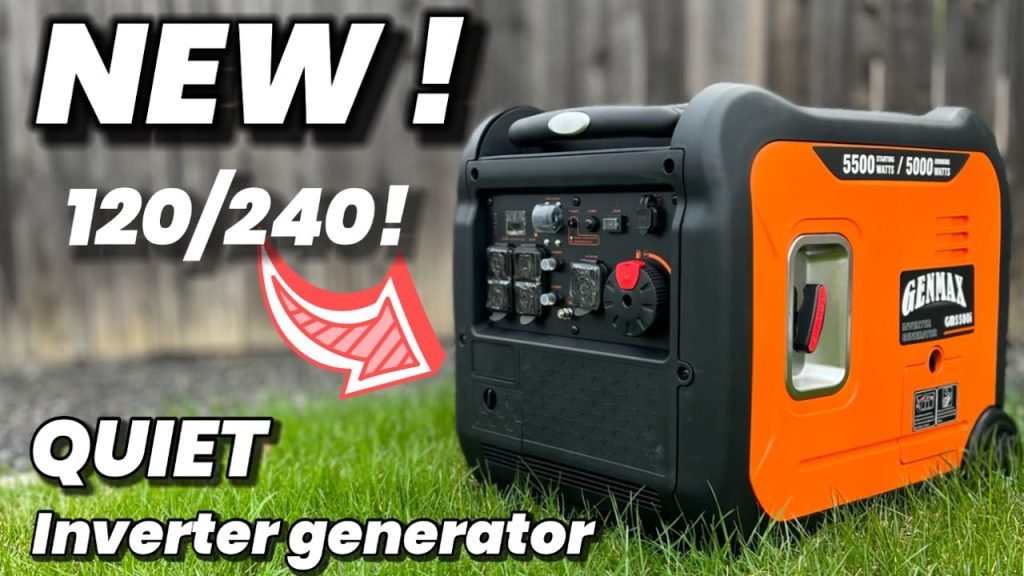
1. GENMAX GM5500i: The Quiet Inverter Powerhouse
The GENMAX GM5500i stands out as an inverter generator, meaning it's designed from the ground up to deliver clean, stable power. This makes it perfect for sensitive electronics.
- Key Specs: 5500 Peak / 5000 Rated Watts, <3% THD, up to 10 hours run time (3.9-gallon tank), Eco Mode.
- What it Excels At: Powering sensitive electronics (laptops, medical devices), RVs, home backup where quiet operation is paramount.
- Pros: Ultra-quiet, pure sine wave output, Eco Mode for fuel efficiency, electric start for convenience, RV-ready outlet (TT-30R), telescoping handle for portability, comprehensive safety features like CO warning and low oil/overload alarms.
- Cons: Gasoline-only fuel type, may be pricier than conventional open-frame generators.
2. DuroMax XP5500EH: The Dual-Fuel Beast of Burden
DuroMax is known for robust, reliable generators, and the XP5500EH is no exception. Its dual-fuel capability provides excellent flexibility.
- Key Specs: 5500 Starting / 4500 Running Watts, Dual Fuel (Gasoline & Propane), 9 hrs run time (Gasoline) / 8 hrs (Propane) at 50% load, 224cc OHV Engine.
- What it Excels At: Versatile home backup, powering a range of household appliances including air conditioners, and providing reliable power for job sites.
- Pros: Dual-fuel capability offers flexibility and longer fuel storage, electric start, low oil shutoff, durable build quality.
- Cons: Not an inverter generator, so THD isn't specified but typically higher than inverter models (less ideal for sensitive electronics directly without a surge protector).
3. DuroMax XP5500HX: Built for Durability
Another strong contender from DuroMax, the XP5500HX builds on its sibling's reputation with a focus on core durability and safety enhancements.
- Key Specs: 5500 Watts, Dual Fuel (Gasoline & Propane), 210cc OHV V-Twin engine, All Copper Windings.
- What it Excels At: Rugged job site use, reliable home backup, situations demanding consistent power from a robust machine.
- Pros: Dual-fuel, robust V-Twin engine, all copper windings for better conductivity and longevity, CO Alert system for enhanced safety.
- Cons: Similar to the EH model, it's a conventional generator, so not explicitly designed for ultra-sensitive electronics.
4. K&S Könner&Söhnen KS 6000iEHS CO: European Precision, Dual-Fuel Inverter
From European engineering, the K&S Könner&Söhnen KS 6000iEHS CO combines inverter technology with dual-fuel flexibility, a rare and highly desirable combination.
- Key Specs: 5500 Watts (Pure Sine Wave), Dual Fuel (Gasoline & LPG with easy-switch), Super Quiet.
- What it Excels At: Premium home backup, RV use, remote work where quiet operation and clean power for electronics are non-negotiable, and fuel flexibility is a bonus.
- Pros: True dual-fuel inverter, pure sine wave output, super quiet operation, CO Sensor with automatic shutdown, environmentally friendly engine, fuel-efficient technology.
- Cons: May be a newer brand to the US market, potentially leading to fewer local service centers compared to established brands.
5. MaXpeedingrods 5500W Inverter Generator: Feature-Rich and Portable
MaXpeedingrods brings a compelling package with its 5500W inverter, offering a blend of power and modern conveniences in a relatively portable design.
- Key Specs: 5500 Peak / 5000 Rated Watts, Gasoline, Electric & Recoil Start, EPA Compliant, 86lbs.
- What it Excels At: Home, yard work, mobile use, RVs – any application needing clean power with good portability.
- Pros: Inverter technology (clean power), electric start (with recoil as backup that recharges battery), comprehensive digital display (fuel, power, conditions), includes wheel and handle kit, EPA compliant.
- Cons: Gasoline-only, some users might prefer a lighter unit if portability is the absolute top priority.
6. TOOLCY 5500W Gas Powered Generator: Stable Power for the Essentials
The TOOLCY 5500W generator focuses on delivering stable, clean-ish power through its Automatic Voltage Regulator (AVR) and high-efficiency alternator, a step up from basic conventional generators.
- Key Specs: 5,500W peak / 5,000W rated, Gas Powered, GT1000 OHV engine, Recommended oil: 10W-30.
- What it Excels At: Home backup for essential appliances, power tools on a job site where stable output is important but pure sine wave isn't strictly necessary.
- Pros: AVR for stable power, high-efficiency alternator, quieter operation than many conventional models, rugged carbon steel frame, low oil shutoff, oil warning lamp, AC circuit breakers.
- Cons: Gasoline-only, not for sale in California (due to emissions), not a true inverter (so still not pure sine wave for highly sensitive gear).
7. Champion Power Equipment 5500-Watt Dual Fuel RV Ready Portable Open Frame Inverter Generator
Champion merges the robust power of an open-frame design with the clean output and efficiency of an inverter, all with dual-fuel capability. This is a unique offering.
- Key Specs: 5500 starting watts, Dual Fuel (Gasoline & Propane), 70 dB(A) operation, 13 hr. on gas / 16 hr. on propane, EZ Start Dial.
- What it Excels At: RV enthusiasts, home backup where you need ample power and clean output without the weight of a traditional inverter, extended run times.
- Pros: Dual-fuel inverter technology, 50% quieter and 20% lighter than traditional 5500W generators, EZ Start Dial, Intelligauge with Power Meter, Economy Mode for fuel savings, CO Shield Carbon Monoxide Auto-Shutoff.
- Cons: Still an "open frame" design, meaning it might not be as quiet as fully enclosed inverter models, despite being quieter than traditional non-inverter generators.
8. Oxseryn 5000W Inverter Generator: Lightweight & Eco-Friendly Option
While technically a 5000 peak watt unit, the Oxseryn often appears in 5500-watt discussions due to its strong performance and feature set, particularly for those prioritizing portability and clean power.
- Key Specs: 5000 peak / 4000 running watts, Gas Powered, 223CC 4-stroke OHV engine, 70 dBA at 23FT, 59LBS.
- What it Excels At: Smaller home backup needs, tailgating, camping, RV use where maximum portability and quiet, clean power are priorities.
- Pros: Very portable (59 LBS), inverter technology (clean, stable power, low THD), ECO Mode for fuel efficiency, low noise level, EPA Compliant, RV-ready (30A port).
- Cons: Slightly lower running wattage than true 5500W units, gasoline-only, smaller 2-gallon fuel tank means more frequent refueling for longer operations.
Beyond 5500 Watts: Other Noteworthy Generators
While our focus remains on the 5500-watt sweet spot, it's worth noting that the generator market offers units across a vast power spectrum. For those with significantly higher demands, models like the Westinghouse 12500 Watt Dual Fuel or the DuroStar DS13000MX offer substantial home backup power, often supporting entire homes via a transfer switch. Conversely, for lighter needs, units like the WEN Quiet and Lightweight 4800-Watt Inverter are excellent smaller-scale options.
Navigating the Purchase: Your 5500-Watt Generator Buying Guide
Choosing the right 5500-watt generator means matching features to your specific needs. Here's what to consider:
Power Output: Starting vs. Running Watts
Always pay attention to both "starting watts" (peak) and "running watts" (rated). Starting watts are the brief surge needed to kick-start motors (like refrigerators or power tools), while running watts are the continuous power required. A 5500-watt generator typically means around 5500 starting watts and 4500-5000 running watts. Ensure your most demanding appliances' starting wattage (often found on their labels) doesn't exceed your generator's peak capacity, and the sum of your running appliances doesn't exceed its rated output.
Fuel Type and Efficiency: Gasoline, Propane, or Both?
- Gasoline-only: Widely available, but has a shorter shelf life (requires stabilizers or regular rotation) and produces more emissions.
- Dual Fuel (Gasoline/Propane/LPG): Offers fantastic flexibility. Propane stores longer without degradation, burns cleaner, and is often easier to find in emergencies. Running on propane usually results in a slightly lower power output but can extend runtime if you have plenty of tanks. Look for "eco-modes" or fuel-saving technologies to stretch your run time further.
Portability and Noise Level: Your Neighbors Will Thank You
A 5500-watt generator isn't a featherweight, often tipping the scales at 100-200 lbs.
- Portability: Look for sturdy wheel kits and comfortable, often telescoping, handles. Some open-frame models are surprisingly lighter than their inverter counterparts, while others boast compact designs.
- Noise Level: Measured in decibels (dB), this is crucial, especially for residential use or camping.
- Inverter generators are generally much quieter (50-70 dB) thanks to their enclosed design and ability to throttle engine speed based on load.
- Conventional open-frame generators are typically louder (70-80+ dB). Consider where you'll be using it and what noise levels are acceptable.
Start Mechanism and Safety Features: Crucial for Convenience and Peace of Mind
- Electric Start: A push-button or key start is incredibly convenient, especially in an emergency. Ensure it has a reliable battery.
- Manual Recoil Start: A pull cord is a must-have backup, even with electric start.
- Low Oil Shutoff: Automatically turns off the engine if oil levels are too low, preventing costly damage.
- Overload Protection: Circuit breakers protect the generator and connected devices from power surges.
- CO Monitor: Carbon Monoxide (CO) sensors with automatic shutdown are increasingly standard and vital for safety, detecting dangerous levels of this odorless, colorless gas. Never operate a generator indoors or in an enclosed space.
Power Output Quality: Protecting Your Electronics
- Pure Sine Wave: This is critical for sensitive electronics like laptops, smartphones, medical equipment (CPAP machines), and modern smart appliances. Inverter generators provide this clean power, ensuring no damaging power fluctuations.
- Automatic Voltage Regulator (AVR): Found in many conventional generators, an AVR helps stabilize power output, but it's not the same as pure sine wave and may still pose a risk to very sensitive devices. If you're planning to run a lot of high-tech gear, an inverter is often the safer bet.
Durability and Warranty: Investing in the Long Haul
A generator is an investment.
- Construction: Look for robust frames (e.g., carbon steel), high-quality engine components (like all copper windings for better heat dissipation and longevity), and overall solid construction.
- Brand Reputation: Established brands often have better parts availability and customer service.
- Warranty: Review the warranty terms. A 3-year limited warranty is common for reputable brands and offers good peace of mind.
Common Questions About 5500-Watt Generators
Can a 5500-watt generator run a whole house?
It depends on your definition of "whole house." A 5500-watt generator can typically run essential appliances: a refrigerator, lights, a furnace blower, and perhaps a small window air conditioner or microwave. It likely won't power everything simultaneously, like a central air conditioning unit, electric dryer, or electric range. For truly powering an entire home's full electrical load, you'd usually need a much larger (10,000+ watt) portable generator or a standby home generator.
What's the difference between an inverter and a conventional generator?
Conventional generators produce raw AC power directly from the engine, leading to voltage fluctuations and higher Total Harmonic Distortion (THD). Inverter generators convert raw AC power to DC, then back to clean AC power using advanced electronics, resulting in a stable "pure sine wave" output with very low THD (<3%). Inverters are also typically quieter and more fuel-efficient because their engine speed adjusts to the load.
How loud is a 5500-watt generator?
Noise levels vary significantly. Inverter generators in the 5500-watt range can operate around 60-70 dB(A) at a distance, comparable to a normal conversation. Conventional open-frame generators are usually louder, often in the 70-80+ dB(A) range, similar to a vacuum cleaner or lawnmower. Always check the manufacturer's specified noise level.
Do I need a transfer switch for home backup?
For safely powering essential home circuits, a transfer switch (manual or automatic) is highly recommended. It connects your generator to your home's electrical panel, allowing you to select which circuits to power and, crucially, prevents "backfeeding" electricity into the utility grid, which can be dangerous for utility workers. Without a transfer switch, you'd be limited to running extension cords directly from the generator to individual appliances.
What kind of maintenance does a generator need?
Regular maintenance includes checking and changing the oil, inspecting and replacing spark plugs, checking and cleaning the air filter, and ensuring the fuel system is clean. For gasoline models, adding fuel stabilizer when storing for extended periods is vital. Consult your owner's manual for a detailed maintenance schedule specific to your model.
Power Up with Confidence
Choosing a 5500-watt generator is a smart move for anyone seeking a versatile and robust power solution. Whether you're safeguarding your home against outages, powering tools on a demanding job, or making your RV adventures more comfortable, there's a model tailored to your needs. By considering power type, fuel flexibility, noise, and safety features, you can make an informed decision that ensures reliable power when and where you need it most.
Take the time to assess your specific power requirements and desired features. The right 5500-watt generator won't just keep the lights on; it'll deliver peace of mind and unwavering utility for years to come.